

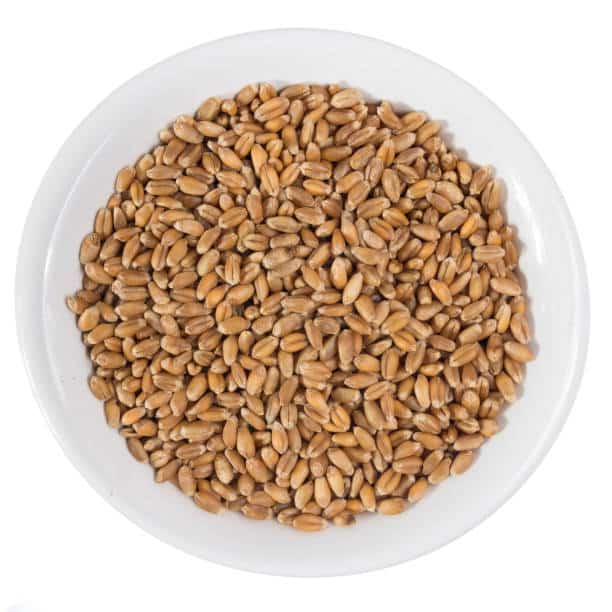
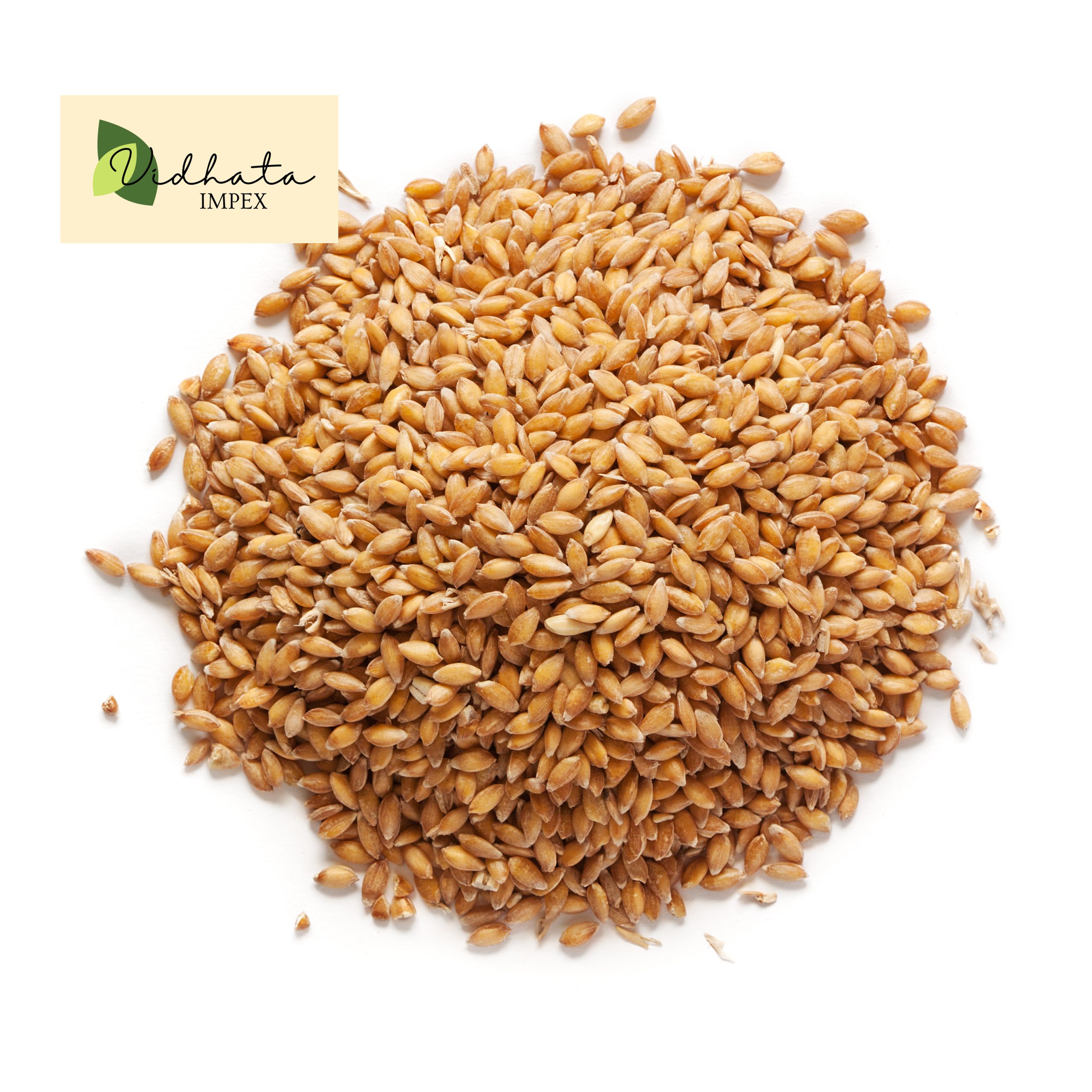
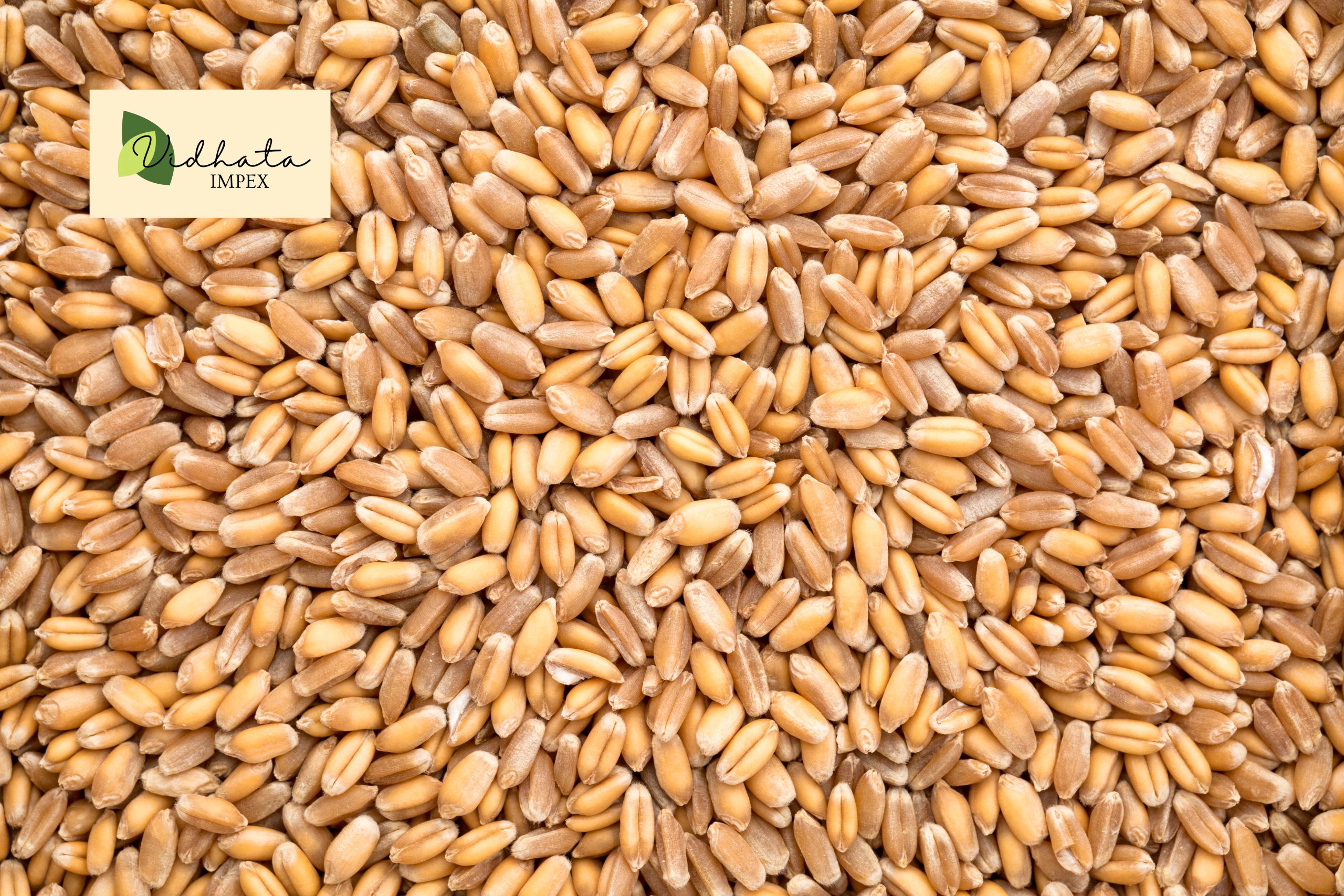
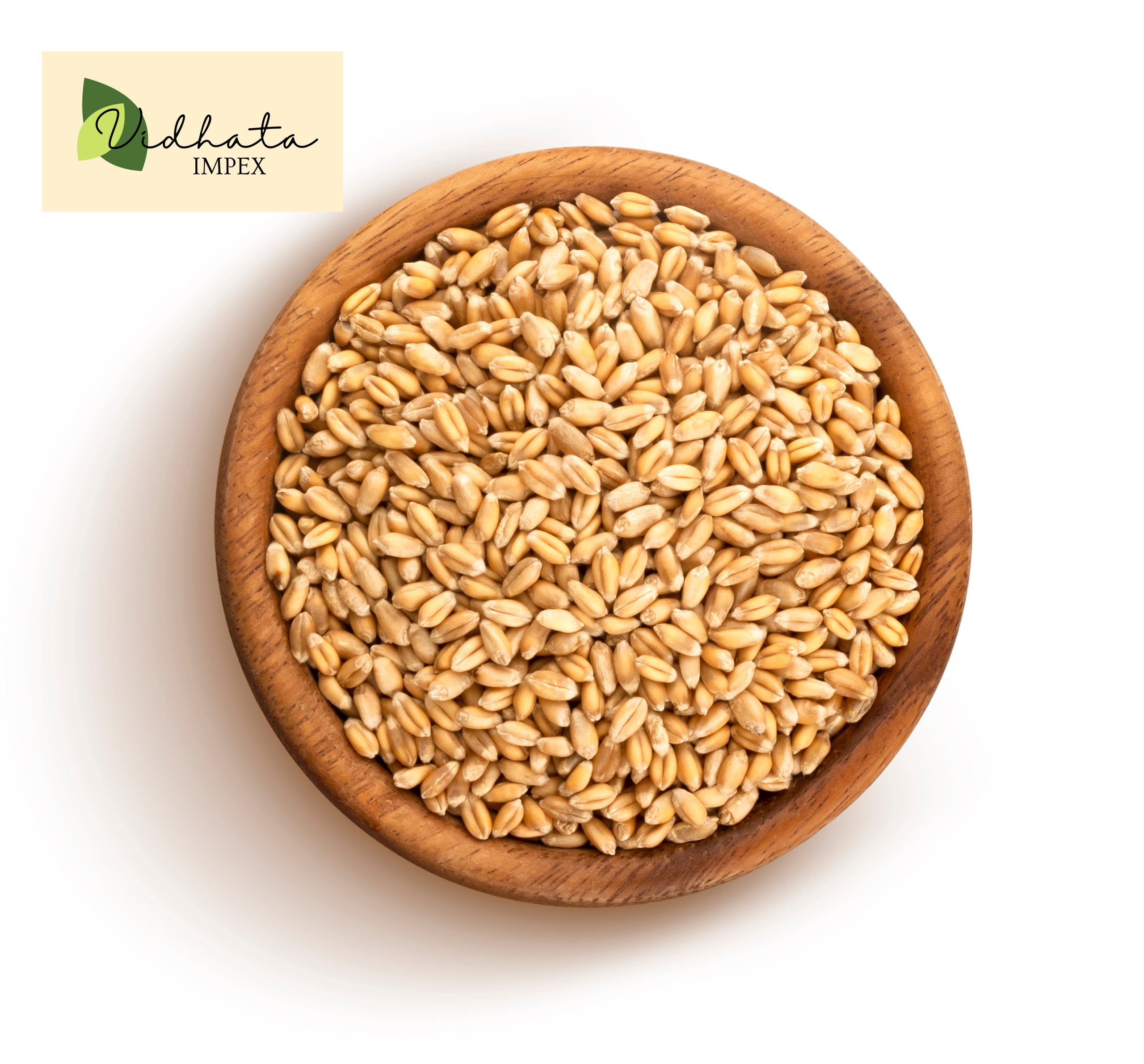
Description
We comply with International Health and Safety Standards, and all products are certified by Quality Control Department before being shipped to the marketplace. All products are delivered in the best quality, right quantity, and timely delivery.
A separate article on wheat taxonomy discusses the many botanical classification systems used to identify wheat species. A wheat species’ name in one source of information might not match a wheat species’ name in another.
More acreage is used to grow this grain than any other industrial food. [Reference needed] More wheat is traded globally than all other crops combined. Due to its higher protein content compared to the other two main cereals, maize (corn) and rice, wheat is the most important source of vegetable protein in human food worldwide. After considering maize’s greater use in animal feeds, it currently trails rice as the primary crop is grown for human consumption in terms of total production tonnes used for food. According to the archaeological record, the Fertile Crescent may have been the first place for this to happen.
Wheat As Food:
Hard durum wheat can grind raw wheat into semolina or flour. Raw wheat can also be crushed or sliced into cracked wheat, parboiled (or steam-cooked), dried, crushed, and de-branched into bulgur, also known as groats. The outer husk or bran can be used in various ways if the raw wheat is divided into pieces at the mill, as is typically done. Food made with a significant amount of wheat (e.g., Wheatena, Cream of Wheat, Shredded Wheat, and Wheaties):
- bread
- Porridge
- Crackers
- Biscuits
- Muesli
- Pancakes
- Pies
- Pastries
- Cakes
- Cookies
- Muffins
- Rolls
- Doughnuts
- Gravy
- Boza (a fermented beverage)
- Breakfast cereals
Commercial Use of Wheat:
For the benefit of the commodity markets, harvested wheat grain that is traded is categorized under grain characteristics. Wheat farmers use these to determine which wheat classes will be the most lucrative to grow, as each class has specific applications that influence which wheat to purchase.
Because it yields well per unit of land, thrives in temperate climates despite having a somewhat short growing season, and produces a versatile, superior flour frequently used in baking, wheat is widely grown as a cash crop. The majority of bread, including many breads with names derived from the other grains they contain, such as the majority of rye and oat bread, is prepared with wheat flour. Even in countries with major food surpluses, there is a high demand for the crop due to the popularity of meals prepared from wheat flour.
Nutritional Value of Wheat:
Wheat has 327 calories per 100 grams and more than 19% of the Daily Value (DV) of numerous vital elements, including protein, dietary fibre, manganese, phosphorus, and niacin (table). Significant amounts of dietary minerals and certain B vitamins are present. Wheat has 71 per cent carbs, 1.5 per cent fat, 13 per cent protein, and 13 per cent water.
Benefits:
Wheat has several health advantages, including the following:
- Whole-grain wheat ensures a healthy lifestyle
- Enhances body metabolism
- Prevents Type 2 Diabetes
- Reduces chronic inflammation
- Prevents gallstones
- Promotes women’s digestive health
- Protects against breast cancer
- Prevents childhood asthma
- Prevents coronary diseases
- Enhances cardiovascular system in postmenopausal women
Countries Importing Wheat From India:
- the United States
- South Korea
- UAE
- Bangladesh
- Indonesia
- Malaysia
- Yemen
- Turkey
- Oman
- Somalia
We comply with International Health and Safety Standards, and all products are certified by Quality Control Department before being shipped to the marketplace. All products are delivered in the best quality, right quantity, and timely delivery.


